Storage Facilities: How to Choose the Right Solution for Your Needs
Running out of space at home or work? Storage units can be a pretty straightforward fix. They give you a secure spot for your stuff when there’s just not enough room where you live or work.
This extra space helps you keep things organized and protects important items you don’t need every day.
Storage units come in all kinds of sizes, from just a few boxes to a whole room’s worth of furniture. You can rent one for a month or keep it for years, depending on what you’re storing.
With thousands of locations out there, you’re bound to find something close by that works for you.
Types of Storage Units
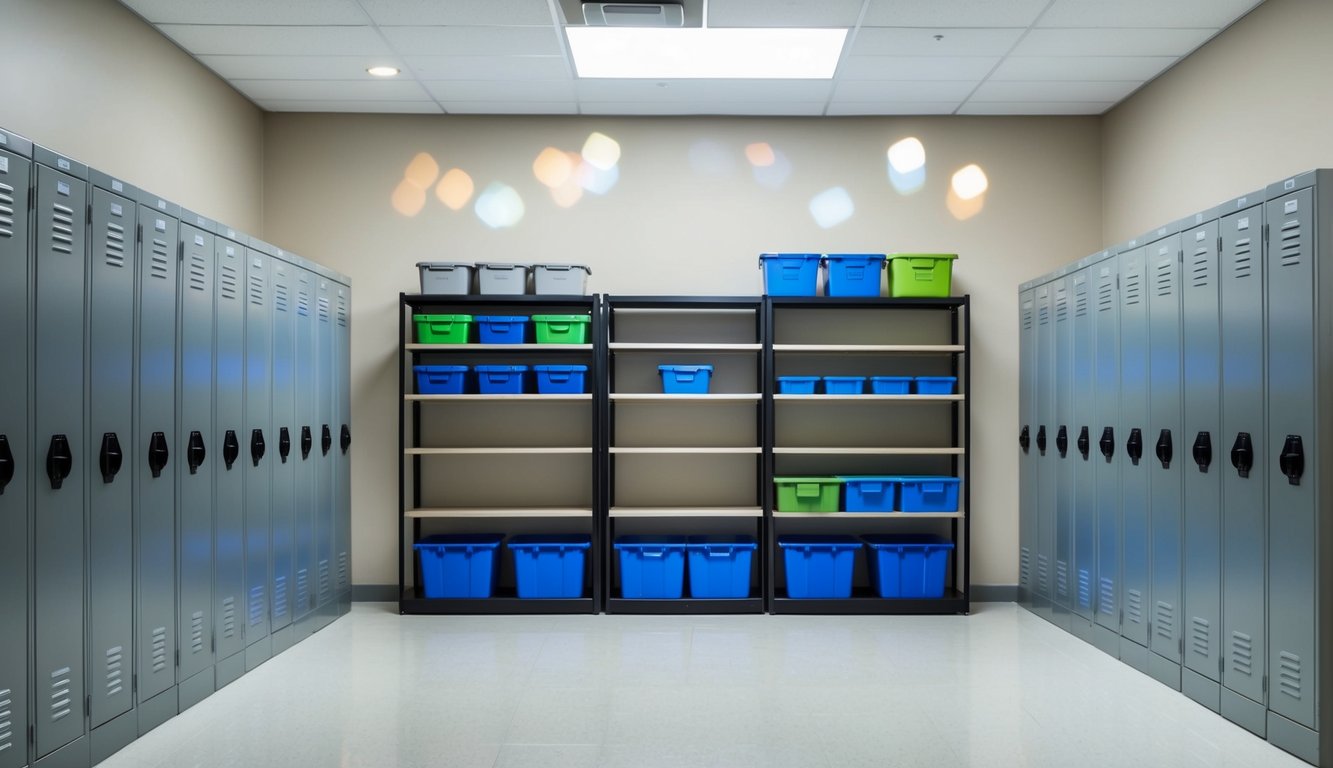
There’s more than one way to stash your stuff. Storage units come in several forms to help you wrangle your belongings and keep things tidy.
Some units just sit in one place, while others make it easy to grab things or keep everything separated and visible. It really depends on how you like to organize.
Stationary Storage Units
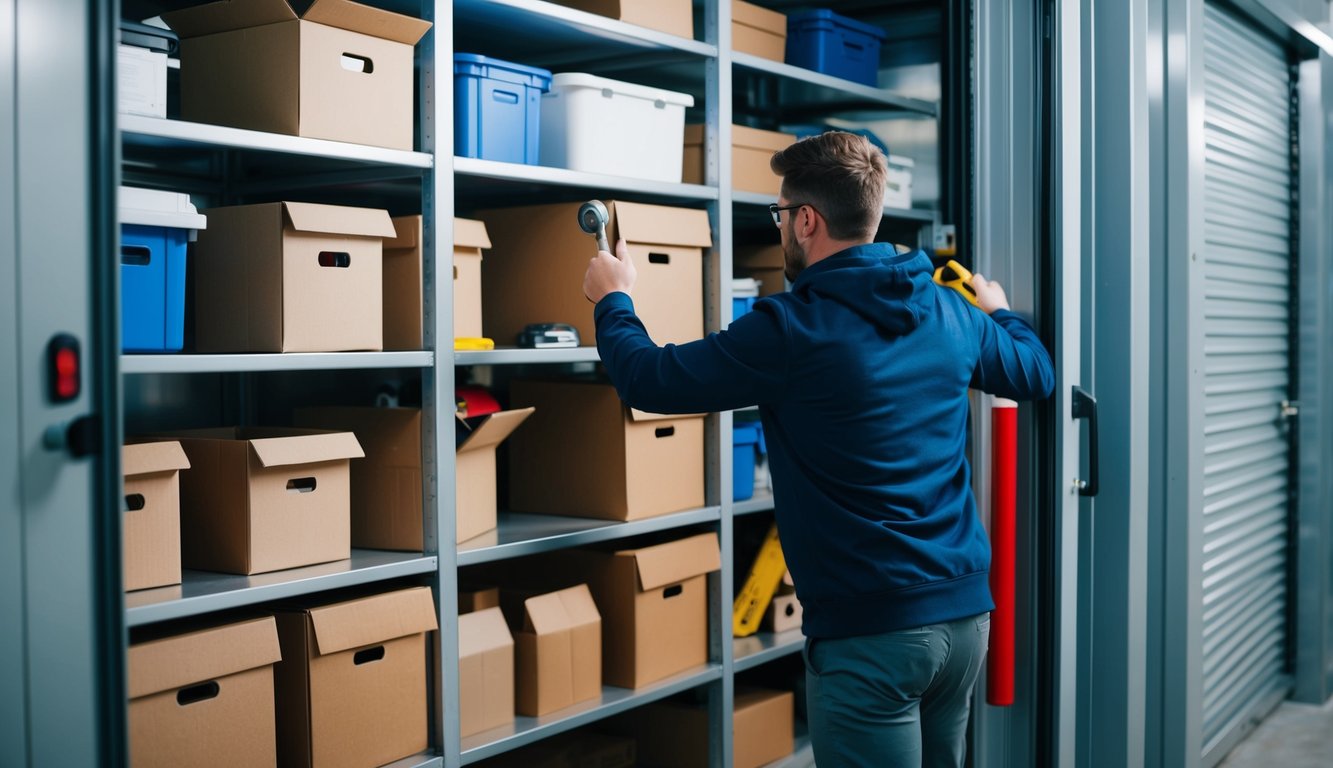
Stationary storage units are the big, sturdy types—usually metal or heavy-duty plastic. You can’t move them easily, but they’re perfect for holding a lot of stuff in one spot.
These usually have shelves or compartments, so separating your things isn’t a hassle. People use them in garages, basements, or at storage facilities.
Sizes range from small lockers to something as big as a one-car garage, which can swallow up several rooms’ worth of things. If you’ve got a lot of furniture or seasonal gear, these are a solid pick.
Some have lockable doors for extra security, and a few even come with built-in climate control for sensitive stuff like electronics or paperwork. If you want to get into the nitty-gritty, the storage unit size guide breaks down your options.
Benefits of stationary storage units:
- High capacity for large or bulky items
- Long-term organization
- Extra features like shelves and secure locking
Coloured Bins
Coloured bins are smaller, stackable containers you can pretty much stash anywhere. Usually plastic, they come in a rainbow of colors so you can sort your stuff by category.
The color coding makes life easier—you don’t have to open every bin to find what you want. Maybe red for holiday decorations, blue for sports gear, yellow for school supplies. Whatever works.
They’re great for closets, playrooms, or offices, and most have lids to keep out dust and moisture. You can add labels, too, if you’re feeling extra organized.
Coloured bins are lightweight, easy to move, and fit in cars or storage lockers if you need to haul things around. Plus, you can reuse them, and they come in all sorts of sizes—from tiny gadgets to chunky sweaters.
Key features of coloured bins:
- Easy sorting with colours
- Stackable and portable
- Useful for homes, classrooms, or offices
Cubby Bin
Cubby bins are those small, open-front boxes that slide into cubby shelves. They’re perfect for stuff you want to see and grab fast—shoes, books, craft supplies, you name it.
They’re usually square or rectangular, and you’ll find them in fabric, plastic, or wood. Since they slide in and out, you can quickly get what you need without digging around.
Cubby bins are a lifesaver for keeping things in their place. Kids can use them for toys, adults for office papers or tools.
You can slap a label on the front for even faster ID. They work best in homes, schools, or offices where you want things neat but still within reach.
If you need more storage, just add more bins—some shelves fit eight or more at once.
Why cubby bins are useful:
- Keep items sorted and easy to grab
- Encourage daily organization
- Work well for both kids and adults
Selecting the Right Storage Unit
Picking the right storage unit is honestly a bit of a puzzle. It depends on what you’re storing and how often you’ll need to swing by the unit.
Take a good look at your list of stuff and your access needs, so nothing important gets buried or forgotten.
How to Choose
Start by jotting down everything you want to store in your storage unit. Group things by size or use—boxes, furniture, seasonal items, whatever makes sense to you.
Measure the big stuff, and estimate how much space your boxes and smaller items will eat up. Compare your list to common storage unit sizes like 5×5, 5×10, or 10×20 to get a ballpark idea.
Leave a little space for walkways, so you’re not climbing over boxes to reach the back. If you’ll visit the unit a lot, consider going a bit bigger for easier access.
Look for units with perks you’ll actually use, like indoor or outdoor access or longer hours. Storing sensitive stuff? Go for climate control and solid security.
Considerations for Classroom Resources
If you’re stashing classroom resources, think about how to keep everything accessible and organized. Shelves help keep supplies, books, and gear off the floor.
Label bins clearly and stack them by subject or grade—makes finding things less of a headache. Put the most-used teaching tools near the front for easy grabbing.
If you swap supplies each semester, leave some wiggle room to move things in and out without breaking your back. For big displays or furniture, double-check the measurements so it all fits.
Airtight containers are a good call for papers, posters, and art stuff that you want to keep safe from dust and moisture. And if you’re the chart-making type, track what’s in each bin or section to save time later.
Design, Colours, and Materials
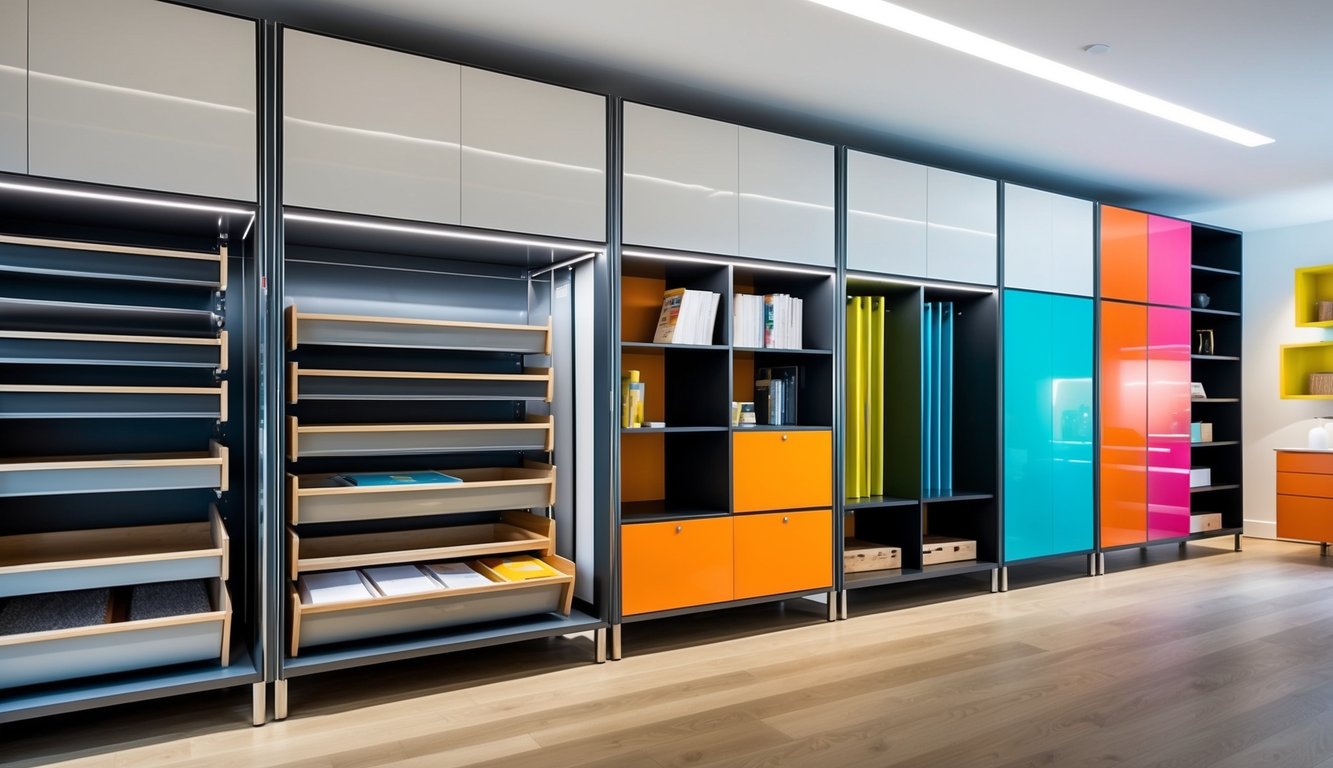
The look and feel of your storage unit matters more than you might think. The right design, colours, and materials can make a place pop—or just make life easier.
Colours can help your storage facility stand out, while tough materials mean less fuss with repairs down the road.
Red Storage Units
Red is bold, no doubt about it. Lots of storage places use red because it’s easy to spot and feels lively.
Red units can make a building jump out from the street, which could help bring in new customers. The color gives off a vibe of energy and strength, and with neutral trim, those red panels really stand out.
Many owners pick fade-resistant paint to keep red looking sharp. Red can also highlight special spots like entrances or security areas.
According to an article on color in self-storage facility design, using strong colors like red adds curb appeal and can boost the overall look of your property.
Black and White Options
Black and white storage units are classic and pretty flexible. Black doors or panels give a crisp, modern edge, while white reflects light and makes spaces look bigger and brighter.
Mixing black and white creates contrast and can help with wayfinding. These colors also make it easy to match signs, fences, or nearby buildings.
Black hides scuffs and dirt, but white needs more cleaning to stay looking fresh. Neutral colors like these show up in a lot of neighborhoods and can either blend in or stand out, depending on your design choices.
Modern storage places often use black and white for a simple, sleek look. If you’re curious about popular color palettes in storage design, check out color visualizer tools to play around with combinations.
Furnishings and Accessories
The right shelves, bins, hooks, and racks can make your storage unit a lot more useful. Sturdy plastic or metal shelves keep boxes off the floor and help you sort things out.
Hooks are handy for hanging bikes or tools. Clear bins let you see what’s inside without opening everything. Some units even have built-in lighting or extra vents to protect your stuff.
Other accessories worth considering: door security bars, locks, and labels for boxes. A little planning goes a long way toward keeping things tidy and safe.
For more ideas on materials and accessories in storage, you can check out lists that compare durability, installation, and space-saving features. There’s a lot out there if you want to get creative.
Buying Storage Units in Canada
Shopping for storage units in Canada? You can go in person or try your luck online. Prices and payment options can shift depending on where and how you buy.
Shopping In-Store vs. Online
Some folks prefer checking out storage units at a physical location, where you can see the size and condition before you bid. That way, you know exactly what you’re getting into.
In-person bidding gets competitive—you can feel the tension in the room and maybe spot how much interest there is in a particular unit.
Online auctions are a different beast. You get photos and a quick description, but you’re bidding from your couch. There’s a bit more risk since you can’t poke around in person, but it saves you time and travel.
Online platforms let you join more auctions from anywhere in Canada, and some sites update listings daily. You might find flexible closing dates and easier payment options too.
Online Only Price
Online-only prices can be a bargain if there’s less competition. Bidding usually starts low—sometimes just a buck or two—and goes up in set increments.
In Canada, starting prices for storage units online can range from about $1 to $100, but what you actually pay depends on demand and what’s inside. Many sites show past winning bids, which helps you plan your strategy.
Watch out for extra fees, like a buyer’s premium or transaction charges when you win. Always check for these before you bid—they can sneak up on your budget.
Most auction sites update frequently and let you set alerts for units that fit your budget. If you’re curious, you can browse current listings and get a feel for what’s out there right now.
Frequently Asked Questions
Monthly costs, unit sizes, security, and storage rules are all things you’ll want to think about before you pick a storage unit.
Climate control and item restrictions can matter too, especially if you’re hoping your stuff stays in good shape.
What is the average cost of renting a storage unit?
On average, renting a storage unit runs between $50 and $200 per month. Prices swing based on unit size, whether it’s climate-controlled, and where you’re located.
Small units usually cost less, while bigger or climate-controlled spaces can bump up the price.
How are storage unit prices typically calculated?
Companies usually set prices by size, location, and extra features. Larger units or ones with perks like climate control almost always cost more.
If you’re renting short-term, you might notice the monthly rate is a bit higher than if you sign up for a longer stretch.
What should be considered when choosing the size of a storage unit?
Think about what you’re storing and how much room it’ll need. Awkwardly shaped or big items might mean you need a larger unit.
You can ask if the place offers shelving, or just bring your own to make better use of the space. There’s more info on storage sizing at frequently asked questions about storage sizing.
What security features are common in self-storage facilities?
Most facilities use things like gated access, security cameras, and individual unit alarms. Some even have staff onsite or ask for ID at the door.
Good lighting and tough locks always help. If you’re curious, check out self-storage security measures for more details.
Are there any restrictions on what items can be stored in a unit?
Illegal, toxic, or flammable stuff? That’s a no-go in any storage unit. Most places also say no to firearms, live animals, or food that could go bad.
Double-check your rental agreement or just ask the staff for a full list of banned items. More on common storage unit restrictions if you want to avoid a headache later.
How does climate control in storage units protect belongings?
Climate-controlled units keep temperature and humidity at steady levels. This protection helps stop damage caused by moisture, heat, or cold.
Electronics, wood furniture, clothing, and important papers all tend to stay in better shape inside a climate-controlled unit. Honestly, if you’ve ever tried to store a stack of old photos in a sweltering attic, you already know why this matters.
About the Author