
6 Areas of the Body That Require Laser Hair Removal for Smooth, Long-Lasting Results
Unwanted body hair is something millions of people deal with, searching for solutions that actually last longer than a few days. Laser hair removal has become a go-to treatment, using focused light energy to target hair follicles and deliver smoother skin for months—or sometimes even years.
Some parts of the body just seem to respond better to laser hair removal than others. Knowing which areas actually benefit the most can help you decide if it’s worth it for your own hair removal goals.
Each spot comes with its own quirks—comfort, effectiveness, and how many sessions you’ll need can all vary.
1) Underarms

Underarm laser hair removal is one of the top requests at clinics. Shaving here can cause razor burn, ingrown hairs, and irritation, especially with all the friction from clothes and deodorant.
Laser treatment pretty much wipes out those issues. The hair in this area grows in predictable cycles, so most people see a big reduction after just three to five quick sessions.
Underarm hair is usually coarse and dark, which gives the laser an easy target. People with lighter skin and darker hair tend to get the best results, but it’s not a hard rule.
The skin here is sensitive, so some discomfort is normal—think of a rubber band snapping against your skin. Topical numbing cream helps a lot if you’re worried about that.
After a few sessions, you’ll notice smoother skin that stays hair-free for months. For anyone tired of daily shaving, that’s a pretty big perk.
Treatment sessions should be spaced about four to six weeks apart to catch hair in its active growth phase.
Afterwards, it’s best to skip harsh deodorants for a day and avoid hot showers or heavy sweating for a bit.
2) Bikini Line

The bikini line is another super popular spot for laser hair removal. This area includes the hair along the edges where your swimsuit sits.
A lot of people go for laser here because shaving and waxing can leave skin irritated or bumpy. The skin is thin and prone to ingrowns with traditional methods.
Bikini laser hair removal usually takes six to eight sessions, spaced four to six weeks apart. The laser targets the hair follicles to stop future growth.
You can pick from different styles: basic bikini (just the edges), French (removes a bit more), Brazilian (almost all hair gone), or Hollywood (all hair removed).
Darker hair responds best since the laser targets pigment, but new technology is making it safer for more skin and hair types.
Most people feel a little discomfort—again, that rubber band snap feeling—but it’s manageable. Results show up after a few sessions, with hair growing back finer and lighter until it mostly stops.
Modern lasers can treat pretty much all skin tones safely. Professional treatment is key here to avoid burns or other issues in such a delicate area.
3) Legs

Legs take forever to shave or wax, so it’s no wonder laser hair removal is so appealing here. Many people have spent years shaving daily or weekly—it’s exhausting.
Full-leg laser hair removal saves a ton of time. You can treat just lower legs, upper legs, or go for the whole thing, depending on your needs and budget.
Leg hair is usually dark and coarse, which makes it easier for the laser to target. Sessions take anywhere from 30 to 60 minutes, depending on how much area you want to cover.
Most folks need six to eight sessions, spaced out every four to six weeks. That helps catch every hair in its active growth phase.
Both men and women choose leg hair removal, and athletes often do it to reduce friction. The results can last for years, with only occasional touch-ups needed.
People with darker hair on lighter skin see the fastest results, but new lasers are closing the gap for other skin and hair types.
4) Face (including upper lip and chin)

Facial hair removal is a big deal for both men and women. The face has sensitive areas, but trained professionals can use lasers safely and effectively.
The upper lip is a super common spot—many people are tired of constant waxing or threading. Chin hair is another area where laser makes a difference, especially since it tends to grow back so fast with other methods.
Cheeks, sides of the face, and the mid-brow (between the eyebrows) are also popular. Lasers don’t get used around the eyes or eyelids, though—those spots are just too risky.
Facial hair grows in different cycles, so you’ll need several sessions—usually six to eight—to get the best results. The finer facial hair often responds faster than body hair, and people usually notice changes after just a few treatments.
Precision is everything on the face. Laser facial hair removal requires real expertise to avoid uneven results or skin damage.
5) Back
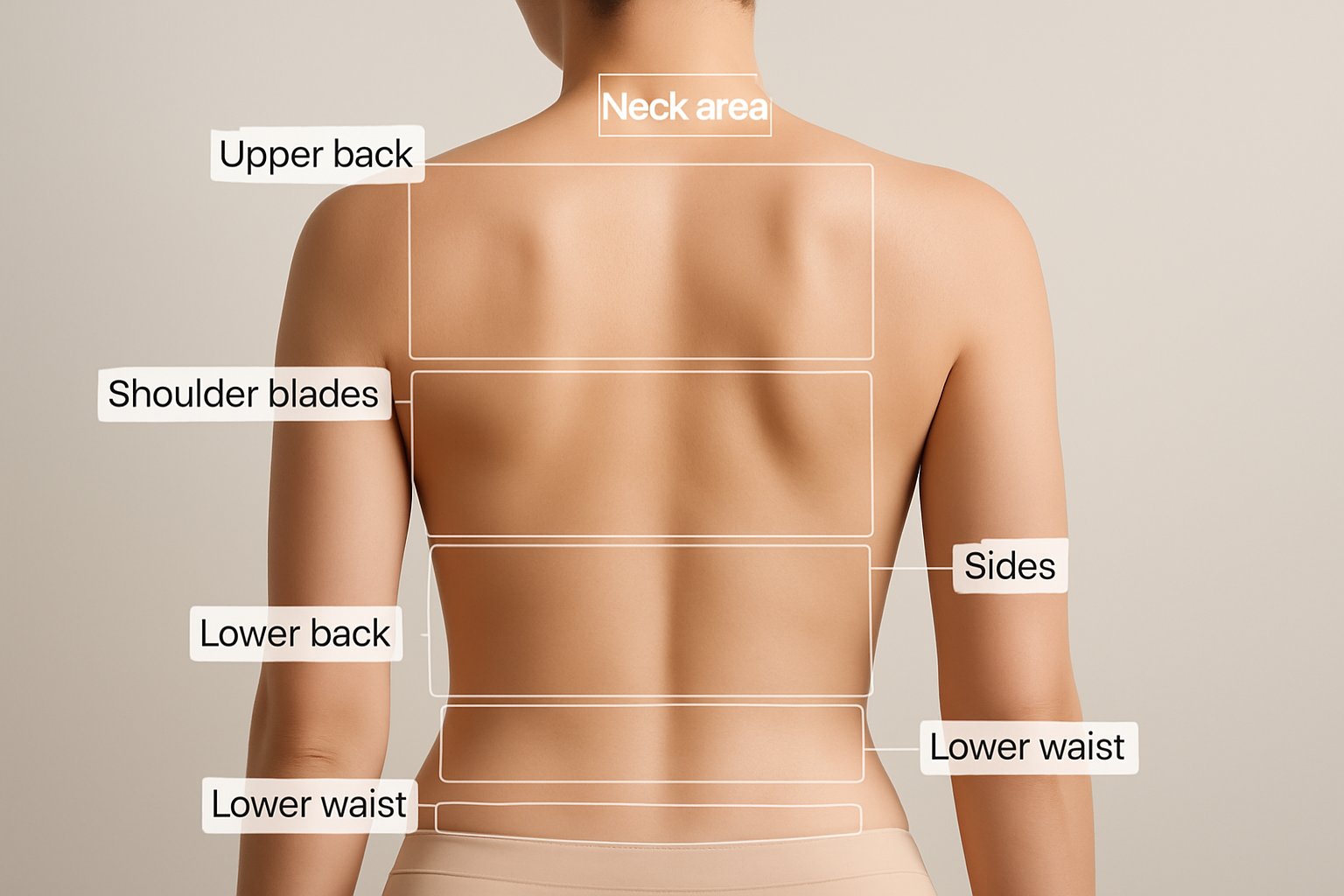
Back hair removal is especially popular with men. Shaving your own back? Nearly impossible, unless you have arms like an octopus.
Most men want to treat the upper back, lower back, or shoulders. The hair here tends to be thick and dark, making it a great target for the laser.
Sessions take about 30 to 45 minutes, usually split into upper and lower back for convenience. Six to eight sessions are typical, since hair grows in cycles and you have to catch each one at the right time.
The skin on the back is thicker and less sensitive, so pain is usually moderate—just those familiar rubber band snaps. Full back laser treatments save time and money compared to regular waxing, and a lot of people feel more confident after finishing their sessions.
The back generally responds well, no matter how much hair you have.
6) Chest
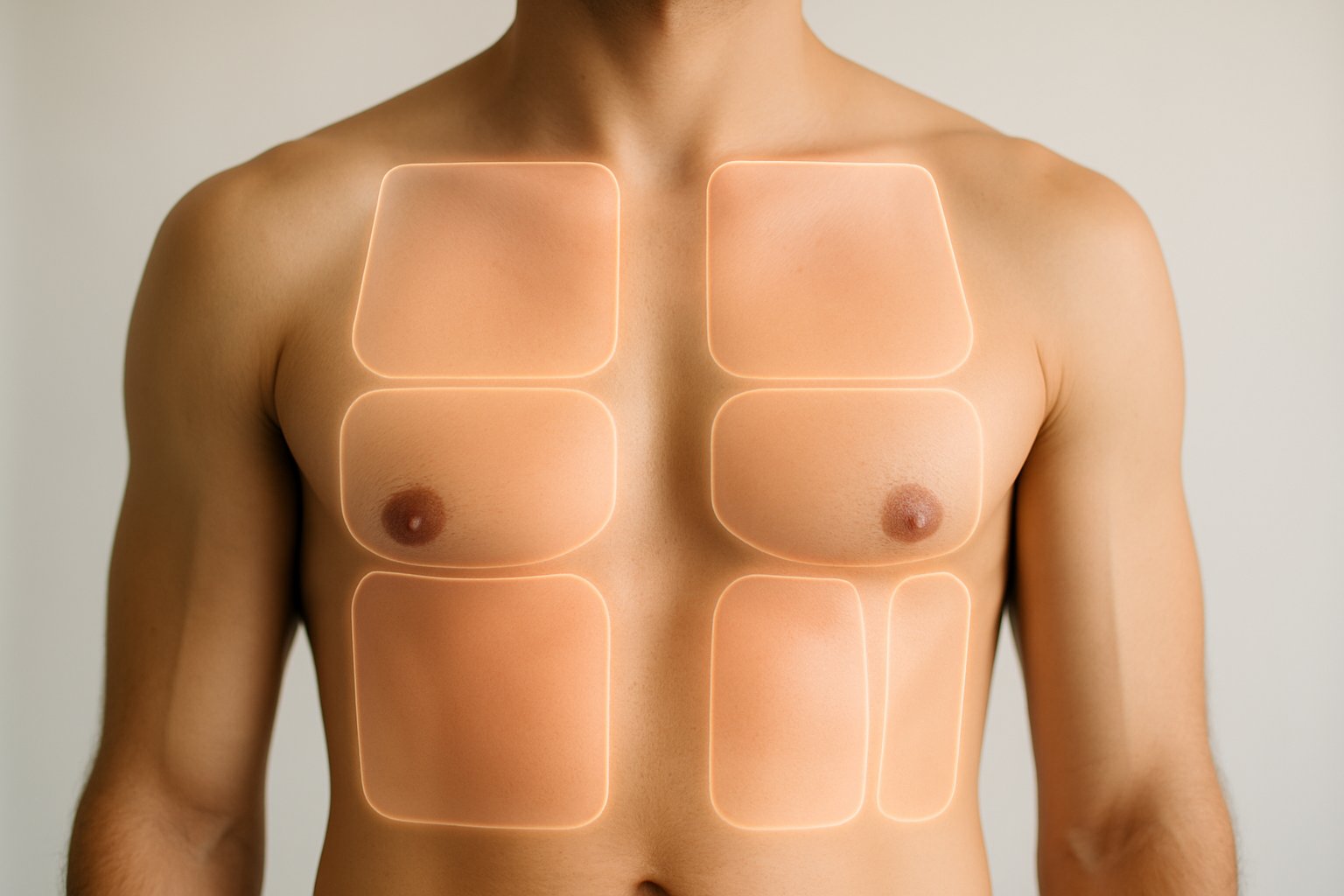
The chest is a top spot for laser hair removal, especially for men looking for a cleaner, smoother look. Chest hair is often thick and dark, which makes it perfect for laser targeting.
Full torso treatments are an option at most clinics, letting you tackle the chest and stomach in one go.
You’ll probably need six to eight sessions, spaced a few weeks apart. Results can last for years, and sometimes the reduction is permanent.
The treatment works best on people with dark hair and light skin, but new lasers are making it possible for a wider range of hair and skin types. Pain is usually mild to moderate, and most people describe it as a quick snap.
You can get back to your normal routine right after, as long as you use proper sun protection. The chest area tends to heal quickly, making it a good fit for busy folks.
Professional treatment helps ensure even coverage and avoids patchy results, which can happen with at-home devices.
Benefits of Laser Hair Removal for Different Body Areas

Laser hair removal offers targeted precision and helps you skip the hassle of ingrown hairs and irritation that come with shaving. The results? Smooth skin that actually lasts.
Precision and Effectiveness
Laser technology zeroes in on hair follicles without harming the surrounding skin. The light energy goes straight into the hair shaft and root.
Each pulse treats several hairs at once, so laser hair removal is effective for both small and large areas.
Some areas respond faster than others—coarse, dark hair on legs or underarms usually shows results quicker than fine facial hair. Laser settings get adjusted for your skin tone and hair thickness, so treatment is tailored to you.
As sessions go on, the hair follicles weaken and results get better. Most people need six to eight sessions, spaced four to six weeks apart, to see the full effect.
Reduction in Ingrown Hairs
Traditional shaving and waxing often make hairs grow back the wrong way, just under the skin. Ingrown hairs commonly occur in sensitive spots like the bikini line, underarms, and legs.
Laser treatment targets and destroys the hair follicle instead of just cutting hair at the surface. This stops that annoying curved regrowth that leads to ingrown hairs.
Areas that usually get razor bumps tend to improve pretty quickly once you start laser sessions. The bikini zone and neck, especially, see a lot less trouble with ingrown hairs.
People with curly or coarse hair notice the biggest difference. Since these hair types naturally want to curl back into the skin after shaving, laser makes a real impact.
Fewer ingrown hairs also means less skin irritation and discolouration. As the skin heals, those dark spots and bumps from old ingrown hairs start to fade.
Long-Term Results
Laser hair removal gives you lasting hair reduction, not just a quick fix. Over time, treated follicles stop growing new hair.
Most clients see about 80-90% permanent reduction after finishing their treatment series. Any hair that does come back tends to be finer and lighter.
Sometimes you might need a maintenance session once or twice a year for touch-ups. These are way shorter and less frequent than the first round of treatments.
People often save money within a couple of years, since they’re not buying razors, shaving cream, or booking waxing appointments anymore.
Results aren’t the same for everyone—it depends on things like hormones, hair color, and skin type. Darker hair on lighter skin usually responds best.
Safety Considerations by Body Area
Each body area brings its own safety quirks when it comes to laser hair removal. Skin sensitivity really varies between the face and the rest of the body, and you have to adjust for hair thickness and skin tone.
Skin Sensitivity
Facial areas need extra care because the skin is thinner and close to sensitive organs. The upper lip and chin can handle moderate laser settings, but anything near the eyes is risky.
Laser hair removal is safe for nearly every body part, except for the eyelids and the area right around the eyes. Those spots should always be avoided because of the risk to your vision.
Legs and arms usually tolerate higher laser intensities. Thicker skin there gives some natural protection from heat.
Underarms fall somewhere in the middle for sensitivity. They can be more uncomfortable because of all the nerve endings and lymph nodes.
The bikini area needs special care. There’s more blood flow and the tissue is delicate, so practitioners use lower settings and take extra steps to keep things safe.
Treatment Guidelines
Professional clinics have to stick to strict rules for each body area. A laser safety program is essential for all laser hair removal facilities so everyone follows the right procedures.
For face treatments, a patch test 24-48 hours before the real thing is a must. Practitioners use eye protection and never go within an inch of the eye socket.
Body areas can handle bigger spot sizes and faster treatments, but you still need to check each area for skin and hair type.
Cooling systems matter a lot for sensitive zones. Most newer machines have built-in cooling to help with comfort and protect the skin.
Treatment intervals aren’t the same everywhere. Facial hair usually needs sessions every 4-6 weeks, while body hair can go 6-8 weeks between treatments.
Potential Side Effects
You’ll probably notice some temporary redness in most treatment areas. Usually, this fades within 2 to 24 hours.
Facial redness might stick around a bit longer since blood vessels are more visible there.
If you have a darker skin tone, skin color changes are the biggest risk. These can show up as lighter or darker patches, and honestly, they might take months to fade.
Burns are the most serious issue and tend to pop up more on curved spots like the jawline or around the ankle bones. Using the right technique and settings usually stops most burns before they start.
Swelling often hits the upper lip and underarm areas, especially in the first few hours. Grabbing some ice and steering clear of heat can help calm things down.
Hair texture can shift, too. This happens more on male chest and back areas, where coarse hair sometimes gets finer before it finally disappears.
About the Author