Reset Your Nervous System with Dan De Luis Breath Work: Science, Benefits & Practices
Modern life keeps many people locked in chronic fight-or-flight. Heart rate stays elevated, muscles stay tense, and racing thoughts make calm feel out of reach. Breathwork offers a direct, accessible way to interrupt that pattern and return the body to balance.
Resetting your nervous system with Dan De Luis breath work uses controlled breathing to shift out of stress mode and into a regulated, calmer state. Slow, intentional breathing lowers heart rate, supports vagus nerve tone, and activates the parasympathetic “rest and digest” response.
Dan De Luis, a wellness coach based in Ontario, teaches practical breathwork methods grounded in nervous system science. His approach helps people build mental clarity and resilience through simple daily practices that work under real pressure. Explore his guided sessions and community at Dan De Luis Breath Work Meditation Club.
The Science of Nervous System Reset Through Breath Work
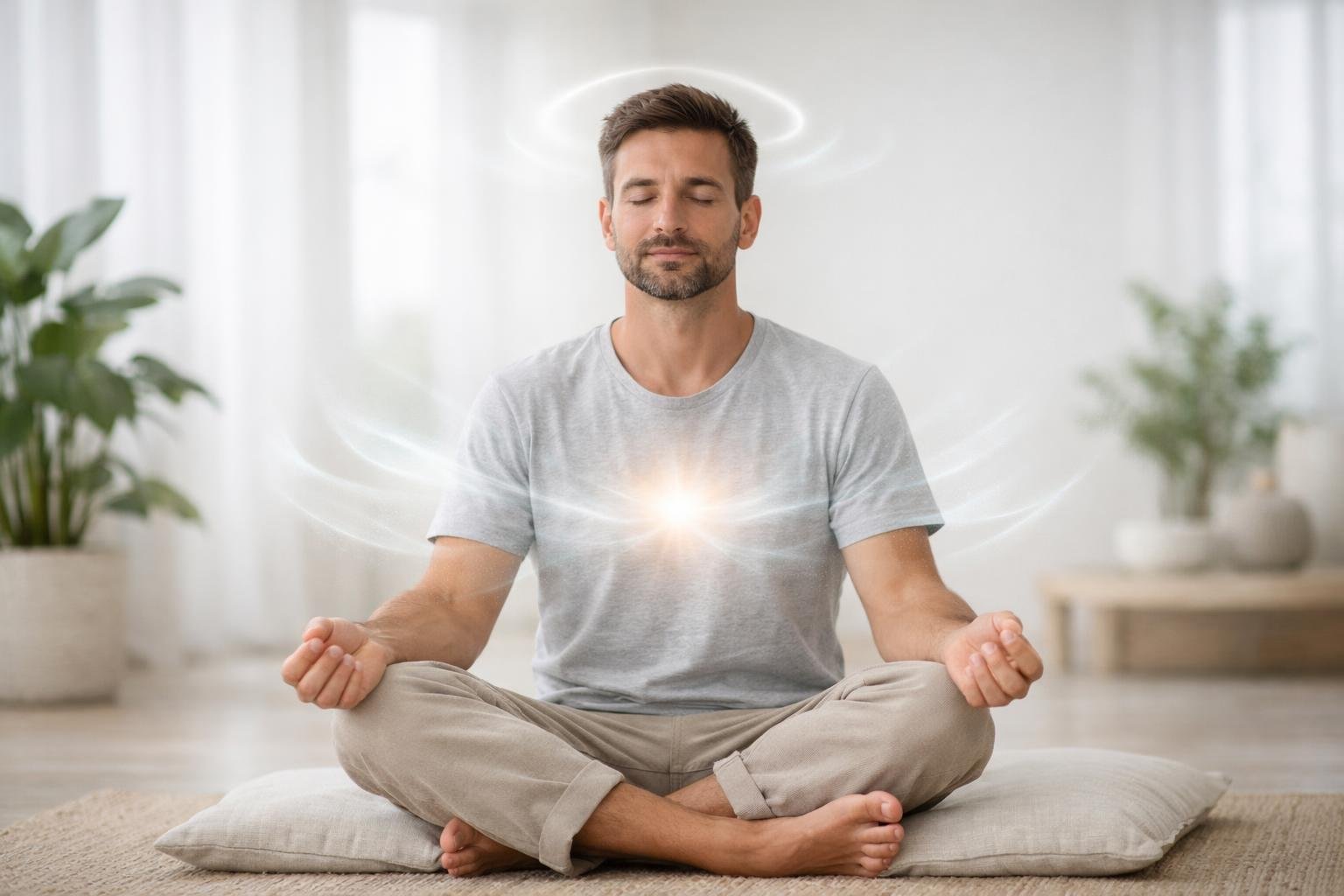
Breathwork directly influences the autonomic nervous system (ANS) by changing breathing rate, depth, and rhythm. This helps move the body from high-alert mode toward calm regulation.
How Breathwork Influences the Autonomic Nervous System (ANS)
The autonomic nervous system manages heart rate, blood pressure, and digestion without conscious effort. It includes the sympathetic branch (action and stress) and the parasympathetic branch (rest and recovery).
Slowing the breath and lengthening the exhale strengthens parasympathetic activity, often lowering heart rate and improving rhythm. This occurs partly through vagus nerve stimulation, which signals safety to the brain. Controlled breathing also balances oxygen and carbon dioxide levels, influencing nerve signals and brain function.
Research shows that conscious breathing can activate the parasympathetic system within minutes, easing both mental and physical tension and supporting inner peace through nervous system regulation.
Balancing Sympathetic and Parasympathetic Responses
Breathwork does not eliminate the sympathetic response needed for focus and action. Instead, it restores balance between the two branches of the ANS.
A steady inhale paired with a longer exhale tells the brain conditions are safe, reducing excess sympathetic drive while allowing parasympathetic recovery to increase. Slow breathing also improves heart rate variability (HRV), a key marker of nervous system flexibility and resilience.
| System | Main Role | Effect of Slow Breathing |
|---|---|---|
| Sympathetic nervous system | Increases heart rate, sharpens focus | Activity decreases when breath slows |
| Parasympathetic nervous system | Slows heart rate, supports recovery | Activity increases with long exhales |
Understanding the Stress Response and Fight or Flight
When the brain senses threat, the sympathetic system triggers fight-or-flight: faster heart rate, shallow breathing, and higher stress hormones. This response helps in real danger but causes wear when it stays active long-term.
Breathwork interrupts the cycle by slowing respiration and engaging the vagus nerve, which dampens stress output. Studies confirm controlled breathing reduces anxiety and supports emotional balance. With consistent practice, the nervous system learns to exit fight-or-flight more efficiently, becoming less reactive to everyday pressures.
Dan De Luis: Renowned Wellness Coach and Breathwork Expert
Dan De Luis helps people build nervous system resilience through structured breathwork, stress training, and recovery practices. He draws on over 20 years of experience coaching athletes, special forces operators, and business leaders in high-pressure environments.
Background and Experience
Dan De Luis began exploring breathwork and yoga while addressing his own chronic health challenges. That personal foundation now shapes his practical, results-focused coaching.
His background includes mindfulness, meditation, yoga, and biohacking. He is also a certified Wim Hof Method instructor. Media coverage has highlighted his work, including the launch of his online Breath Work Meditation Club in 2026.
Coaching Approach and Philosophy
Dan De Luis emphasizes nervous system training that delivers calm focus in minutes. Sessions often combine structured breath cycles with cold exposure, mindfulness, and simple movement.
His methods align with evidence-based practices that link breath control to autonomic regulation, similar to approaches found in established breathwork frameworks. He leads the Breath Work Meditation Club, an online community offering guided sessions and weekly training for emotional control and sustained performance.
The core philosophy is repetition, self-awareness, and measurable progress rather than trends or quick fixes.
Nature’s Elements Wellness Retreats
Dan De Luis co-leads immersive programs at Nature’s Elements Wellness in Ontario. These retreats combine breathwork, thermal therapy, movement, and recovery tools in small-group settings.
Participants experience ice baths, sauna sessions, guided breathwork, functional movement, and hydrogen-based recovery. The format supports real-time coaching on breathing patterns and stress responses, helping build lasting nervous system balance and deeper inner peace.
Breathwork Techniques for Nervous System Regulation

Targeted breathing techniques slow heart rate, improve oxygen use, and shift attention, helping the body move out of fight-or-flight and into recovery.
Diaphragmatic and Deep Breathing
Diaphragmatic breathing engages the large muscle beneath the lungs instead of shallow chest breathing. This activates the vagus nerve and supports parasympathetic calming.
Place one hand on the chest and one on the belly. Let the belly rise on the inhale and fall on the exhale while the chest stays relatively still. Try this pattern:
- Inhale through the nose for 4 seconds
- Pause for 1–2 seconds
- Exhale slowly through the mouth for 6 seconds
Longer exhales enhance parasympathetic tone. Practicing 5–10 minutes daily can ease anxiety and muscle tension. Consistency builds stronger results than intensity.
Alternate Nostril Breathing (Nadi Shodhana)
This technique, also known as nadi shodhana, alternates airflow between nostrils to support balance between alertness and relaxation. It enhances parasympathetic activity and steadies the mind for greater inner calm.
To practice:
- Sit upright with a straight spine.
- Close the right nostril with the thumb.
- Inhale slowly through the left nostril.
- Close the left nostril, open the right, and exhale.
- Inhale through the right, switch, and exhale through the left.
Use a 4-second inhale and 4-second exhale. Even five minutes can quiet racing thoughts and prepare the mind for deeper focus.
Integrating Meditation and Mindfulness
Breathwork pairs naturally with meditation. Once breathing slows the body, attention settles more easily. Focus on the sensation of air moving in and out, gently returning when the mind wanders.
Calming the nervous system first makes mindfulness more accessible. A short sequence might include 5 minutes of diaphragmatic breathing, 3–5 minutes of quiet breath awareness, and 1 minute of extended exhales.
Regular practice strengthens emotional control and mental clarity over time, fostering lasting inner peace.
Benefits of Breath Work for Mental Clarity and Resilience
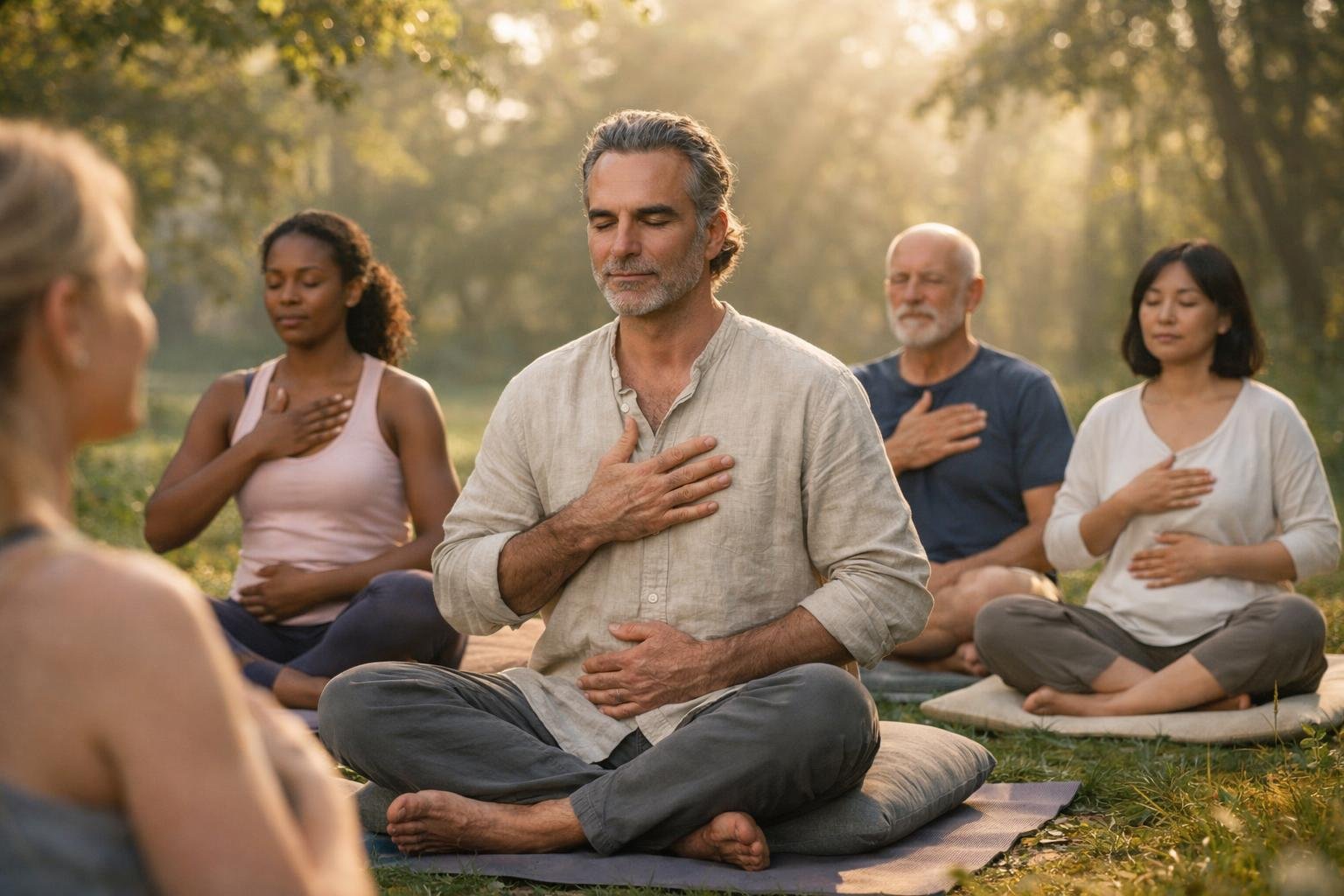
Dan De Luis breath work trains the nervous system to move efficiently from stress to recovery. This supports clearer thinking, steadier focus, and greater resilience.
Improving Heart Rate Variability
Higher heart rate variability reflects better autonomic balance and adaptability to stress. Slow breathing increases parasympathetic activity via the vagus nerve and improves HRV.
Over days and weeks, consistent practice lowers cortisol, stabilizes blood pressure, and frees mental resources for tasks and decisions rather than constant threat monitoring.
Boosting Emotional and Mental Wellbeing
Breathwork influences brain areas involved in emotion and attention, reducing reactivity in the amygdala. Structured breathing practices have been shown to lower stress and anxiety while improving mood and supporting overall nervous system health.
With regular use, people often experience fewer emotional swings and faster recovery from pressure. Resilience here means returning to clear, focused thinking more quickly after stress.
Incorporating Breathwork into Your Daily Routine
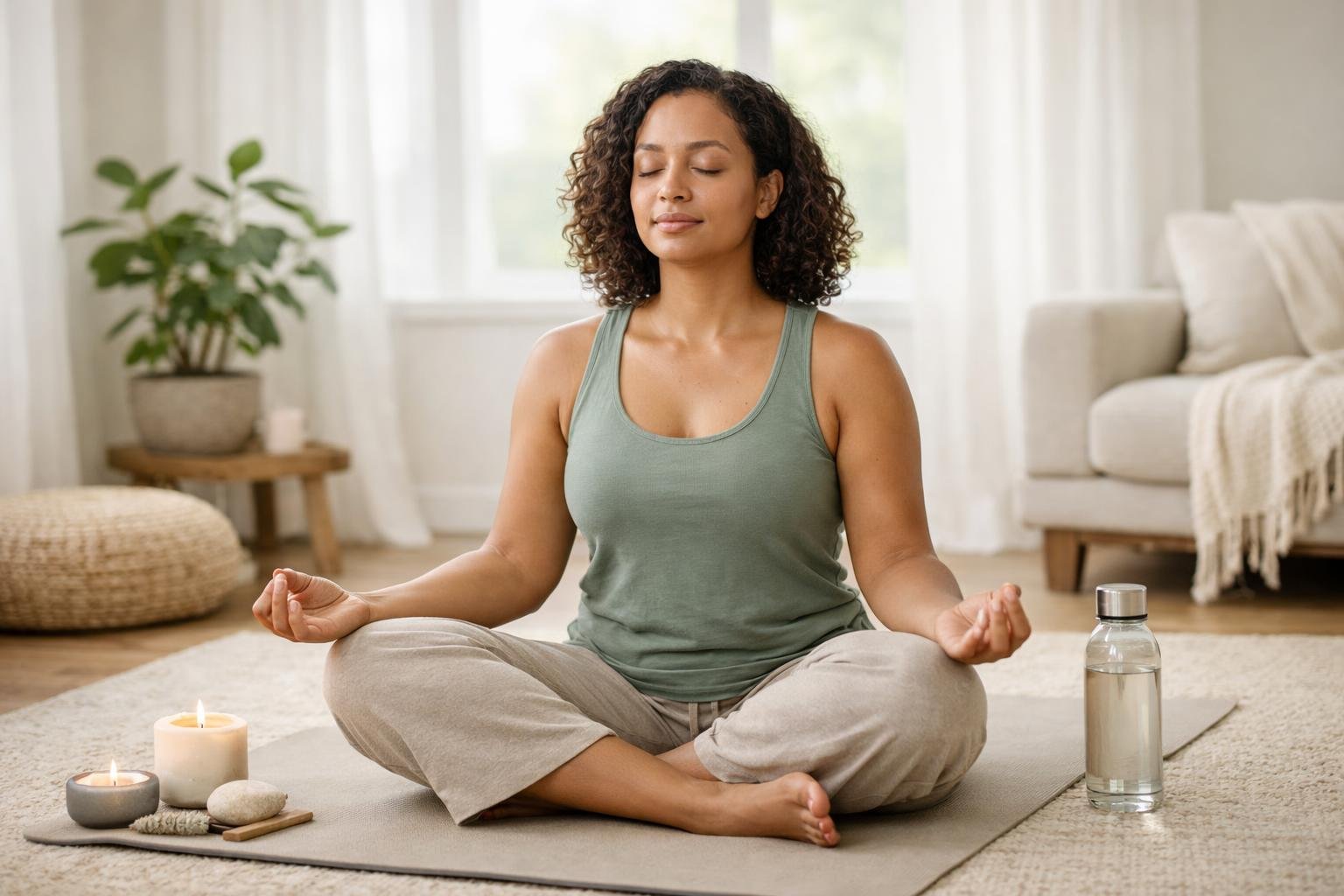
Short, repeatable sessions train the nervous system to shift states on command. Daily practice strengthens parasympathetic responsiveness without needing large time blocks.
Building Consistency with Simple Practices
Start small. Many people benefit from 5 minutes of slow nasal breathing in the morning, 3 minutes of box breathing midday, and 5 minutes of extended exhales in the evening.
These patterns support emotional control and stress response. Steady practice helps rewire the brain toward greater calm and healing capacity.
Tips for Long-Term Nervous System Health
Consistency and proper form matter most. Breathe through the nose when possible, sit upright for full lung expansion, and stop if dizziness arises. Track sessions to notice progress.
Daily repetition helps the body shift out of stress more quickly. Over time, everyday triggers lose intensity as nervous system regulation improves.
Frequently Asked Questions
What is breathwork, and how can it help regulate the nervous system?
Breathwork uses controlled patterns to influence the autonomic nervous system. Slow, longer exhales stimulate the vagus nerve and activate the body’s rest-and-digest response, lowering heart rate and stress signals. Dan De Luis teaches paced drills that help people recognize tension and shift toward calm with clear timing.
How long does it typically take to feel calmer using a guided breathwork session?
Many notice calmer heart rate and breathing within 5–10 minutes. Longer sessions deepen the effect. The Breath Work Meditation Club combines guided breathing with focused attention for progressive control.
What breathing patterns are most effective for shifting from stress to relaxation?
Slow nasal breathing with extended exhales works well for most. A 4-second inhale followed by a 6–8-second exhale signals safety to the nervous system and reduces tension. Dan De Luis often layers breath holds with paced recovery breathing to train control under mild stress.
Is breathwork safe for people with anxiety, panic symptoms, or trauma history?
Gentle, steady methods are generally safe. Avoid forced or rapid patterns if they increase discomfort. A coach experienced in nervous system regulation can adjust pacing. Consult a healthcare provider for medical conditions before intense practice.
What should I do if I feel dizzy, tingling, or emotional release during a session?
Slow down and return to natural breathing. These sensations often ease quickly. Emotional release can occur as stored tension relaxes. Practice in a calm setting with good guidance to move through these moments safely.
How often should I practice breathwork to support long-term nervous system balance?
Five to ten minutes daily often produces steady gains. Short consistent sessions outperform occasional long ones. Add longer practices two or three times per week for deeper training.
Join Dan De Luis in the Breath Work Meditation Club for guided sessions designed to make nervous system reset practical and accessible.
About the Author